The single biggest financial shock of going freelance is discovering that taxes no longer happen to you automatically. Nobody withholds, nobody matches, and nobody reminds you. This lesson explains the structural difference between employee and freelancer taxation in the United States, so the rest of the course makes sense.
What Changed When You Left Employment
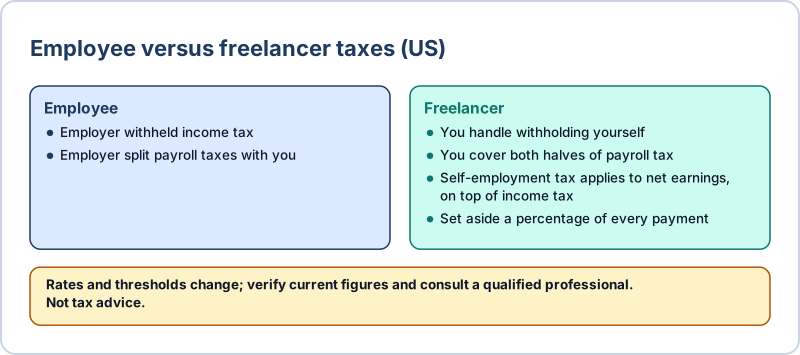
As an employee, your employer withheld income tax from each paycheck and split payroll taxes with you, paying a share on your behalf. As a freelancer, you are both the worker and the employer, which means you handle the withholding yourself and you cover both halves of the payroll tax obligation. Same you, same work, very different plumbing.
Understanding Self-Employment Tax
Self-employment tax is the freelancer’s version of the Social Security and Medicare taxes that were previously split with an employer. It applies to your net self-employment earnings, meaning income after business expenses, and it exists on top of ordinary income tax. The exact rates and income thresholds are set by law and change over time, so treat any specific percentage you read online as a thing to verify against current official figures rather than a fact to memorize.
The Set-Aside Habit
Because nothing is withheld for you, the foundational habit is transferring a fixed percentage of every payment you receive into a separate tax savings account the day it arrives. Your accountant can help you choose a percentage suited to your income and state; the habit itself matters more than nailing the number on day one.
Action Step
Open or designate a separate savings account labeled taxes this week. Pick a starting set-aside percentage with the help of a professional or a reputable current calculator, and move that share of your very next client payment into it.
Educational content only — not financial, tax, investment, or legal advice, and no income outcome is promised or implied. Rules and thresholds change; verify current figures and consult a qualified professional before acting on your own situation.